
Description
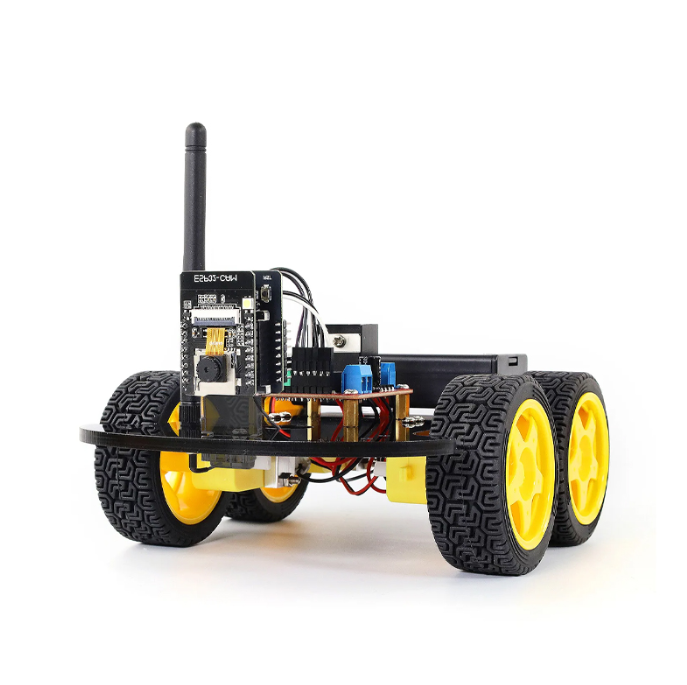
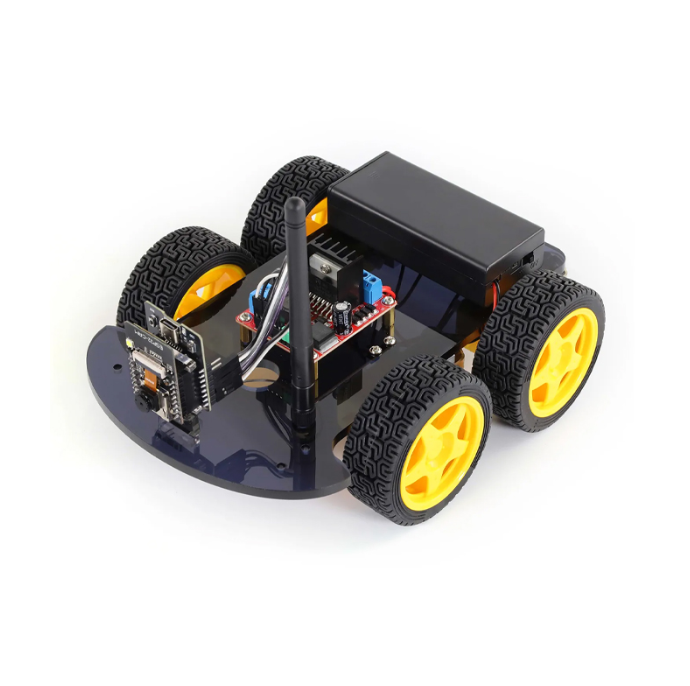
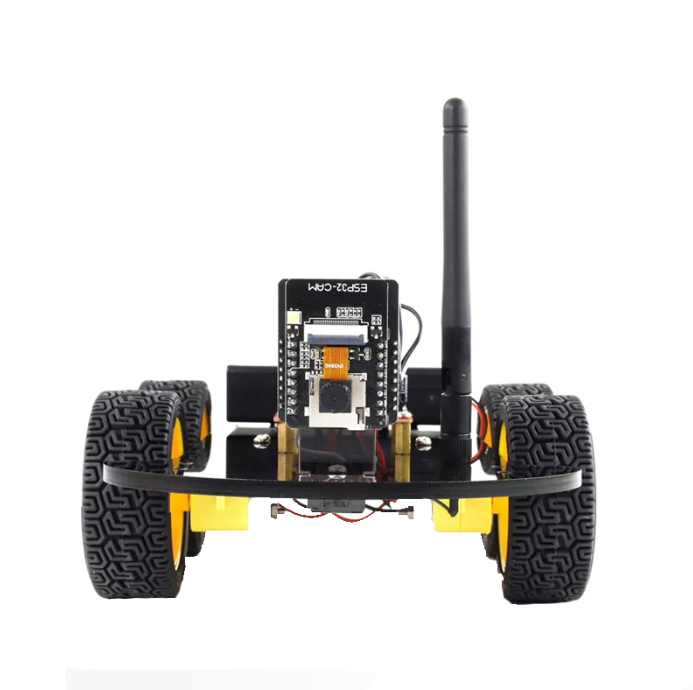
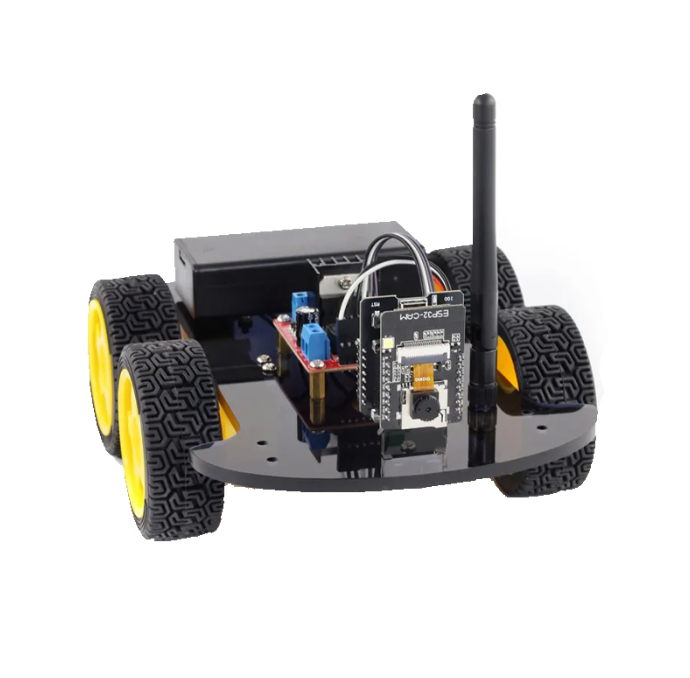
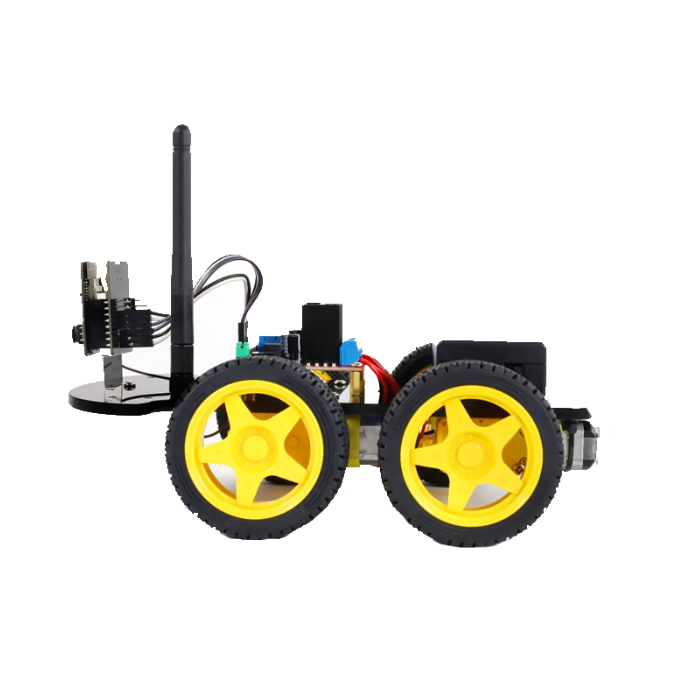
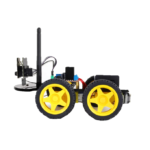
Keyestudio ESP32 Cam 4WD Camera Monitoring Robot Car for Arduino Robotic Educational Car Kit
Introduction to the ESP32 Camera Robot Car
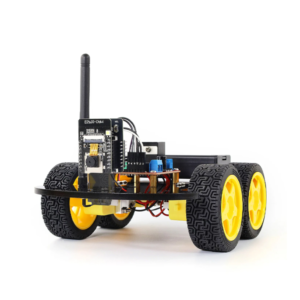
The ESP32 Camera Robot Car for Arduino Robotic Educational Car Kit is a powerful and innovative robotics learning platform designed for students, hobbyists, engineers, and educators who want to explore the world of robotics, wireless monitoring, and Internet of Things (IoT) technologies. This advanced robotics kit integrates a high-performance ESP32-CAM module, a stable four-wheel drive robotic chassis, and real-time camera monitoring capabilities, making it an excellent platform for hands-on STEM education and practical robotics development.
The modern technology landscape increasingly relies on robotics, automation, and intelligent monitoring systems. As industries adopt smart technologies, there is a growing need for educational tools that allow learners to understand how these systems work. The ESP32 camera robot car is specifically designed to meet this need by combining mechanical components, electronics, wireless communication, and programming into a single integrated robotics platform.
With its built-in camera module and wireless connectivity, this robot car allows users to remotely monitor environments while controlling the robot from a smartphone or computer. The ESP32 camera robot car is therefore not only a learning tool but also a foundation for creating real-world projects such as surveillance robots, remote inspection vehicles, IoT monitoring systems, and smart robotics experiments.
The kit is available through DIY KITS BY LOFTY AGROTECH, a trusted supplier of robotics components, drone technology, and advanced electronic modules. Their commitment to quality and innovation ensures that users receive reliable products suitable for both educational and professional applications. To explore the product collection and additional robotics solutions, CLICK HERE.
Understanding the ESP32 Camera Robot Car
The ESP32 camera robot car is designed to introduce users to multiple engineering disciplines including robotics, electronics, embedded systems, and wireless communication. By assembling and programming the robot, learners gain hands-on experience with modern technology.
This robotics kit includes several important components such as:
-
ESP32-CAM microcontroller module
-
Camera sensor for live monitoring
-
Four DC gear motors
-
4WD robotic chassis
-
Motor driver module
-
Battery power system
-
Mounting hardware and wiring components
These elements work together to create a fully functional robotic vehicle capable of wireless navigation and camera-based monitoring.
Unlike basic robot kits, the ESP32 camera robot car integrates an advanced microcontroller capable of handling real-time image streaming and WiFi communication. This significantly expands the types of projects that can be developed using the platform.
Focus Keyword: ESP32 Camera Robot Car
Throughout this product description, the primary focus keyword is ESP32 camera robot car. This keyword represents the core functionality of the product and highlights its combination of wireless robotics and real-time camera monitoring capabilities.
The ESP32 camera robot car is widely used in robotics education because it combines several important technologies into one system:
-
Wireless communication
-
Embedded processing
-
Robotic movement control
-
Video monitoring
-
IoT connectivity
By working with an ESP32 camera robot car, users can develop skills that are highly valuable in fields such as robotics engineering, automation, smart systems development, and IoT design.
Key Features of the ESP32 Camera Robot Car
Integrated Camera Monitoring System
One of the most exciting features of the ESP32 camera robot car is its integrated camera system. The ESP32-CAM module includes a small camera that captures images and streams video wirelessly.
This allows users to control the robot while simultaneously viewing live video from the robot’s perspective. This capability transforms the robot into a mobile monitoring system.
Camera monitoring provides many benefits:
-
Real-time visual feedback
-
Remote observation of environments
-
Enhanced robotics experimentation
-
Development of surveillance and inspection robots
The ESP32 camera robot car can therefore be used in projects involving remote monitoring, robotics navigation, and smart security systems.
High-Performance ESP32 Microcontroller
The ESP32 camera robot car is powered by the ESP32 microcontroller, which is one of the most powerful and versatile chips used in IoT development.
The ESP32 offers several advanced features including:
-
Dual-core processor for high performance
-
Built-in WiFi connectivity
-
Bluetooth support
-
Multiple GPIO pins for sensor integration
-
Camera interface for video streaming
These features enable the ESP32 camera robot car to perform complex tasks such as image capture, wireless communication, and robotic control simultaneously.
Four-Wheel Drive Robotic Chassis
The ESP32 camera robot car uses a four-wheel drive (4WD) chassis that provides excellent movement stability and traction.
Each wheel is powered by a DC gear motor, allowing the robot to move in multiple directions including forward, backward, left, and right.
The advantages of the 4WD design include:
-
Improved balance and stability
-
Better movement on uneven surfaces
-
Higher load capacity
-
Smooth turning and navigation
The durable chassis design ensures that the ESP32 camera robot car can operate reliably in various environments.
Wireless Control System
Another major feature of the ESP32 camera robot car is its wireless control capability. Using the built-in WiFi module, users can control the robot remotely through a smartphone, tablet, or computer.
Wireless control allows the robot to be operated from a distance while receiving live camera feedback.
This functionality enables several exciting applications including:
-
Remote exploration robots
-
Smart surveillance systems
-
IoT robotics experiments
-
Wireless robotics demonstrations
The wireless capability of the ESP32 camera robot car makes it a powerful platform for developing connected robotics systems.
Arduino Programming Support
The ESP32 camera robot car is fully compatible with the Arduino IDE, which is one of the most widely used programming environments for microcontrollers.
Arduino programming allows beginners to quickly start developing robotics projects without requiring extensive coding knowledge.
With Arduino, users can program the robot to:
-
Control motor movement
-
Connect to WiFi networks
-
Stream camera video
-
Process sensor data
-
Implement automation logic
This makes the ESP32 camera robot car an ideal tool for learning embedded programming and robotics development.
STEM Education and Learning Benefits
The ESP32 camera robot car is widely used in STEM education programs because it combines multiple engineering disciplines in a single project.
Students working with the ESP32 camera robot car can learn important concepts such as:
-
Robotics engineering
-
Microcontroller programming
-
Wireless communication systems
-
Image transmission technology
-
Embedded electronics design
Hands-on robotics projects like this help students develop critical thinking skills, problem-solving abilities, and technical knowledge.
Educational institutions use robotics kits like the ESP32 camera robot car to prepare students for careers in engineering, automation, and technology development.
Applications of the ESP32 Camera Robot Car
The ESP32 camera robot car can be used in many practical projects and applications.
Robotics Education
Students and teachers can use the ESP32 camera robot car to demonstrate robotics principles and programming techniques.
Remote Surveillance
The camera feature allows the robot to act as a mobile monitoring device for security purposes.
IoT Robotics Projects
Developers can connect the ESP32 camera robot car to cloud platforms for advanced IoT applications.
Research and Development
Engineering students can use the robot for academic research in robotics and automation.
DIY Robotics Experiments
Hobbyists can create innovative robotics projects using the ESP32 camera robot car platform.
Expandability and Customization
The ESP32 camera robot car is designed with expandability in mind. Users can add additional sensors and modules to create more advanced robotics systems.
Possible upgrades include:
-
Ultrasonic sensors for obstacle detection
-
Line tracking sensors for autonomous navigation
-
Bluetooth modules for alternative control methods
-
AI image processing modules
-
GPS modules for outdoor navigation
This flexibility allows the ESP32 camera robot car to evolve into more sophisticated robotics platforms.
Easy Assembly and Modular Design
The ESP32 camera robot car features a modular design that makes assembly simple and educational.
Users can assemble the robot step-by-step using the included hardware and instructions.
This process helps learners understand:
-
Mechanical structure of robots
-
Electronic component connections
-
Wiring and circuit design
-
Robotics system integration
The assembly experience itself is a valuable learning activity.
Why Choose DIY KITS BY LOFTY AGROTECH
When purchasing robotics kits, choosing a reliable supplier is extremely important. DIY BY LOFTY AGROTECH is known for providing high-quality robotics components, drone technology, and educational electronics.
There are several reasons why customers choose DIY BY LOFTY AGROTECH.
Trusted Quality Products
Products supplied by DIY BY LOFTY AGROTECH are carefully selected to ensure high performance and reliability.
Wide Range of Robotics Components
From robot kits to drone accessories, DIY BY LOFTY AGROTECH provides a comprehensive range of technology products.
Ideal for Education and Research
Educational institutions rely on DIY BY LOFTY AGROTECH for robotics kits used in STEM learning and technical training.
Reliable Customer Support
Customers receive assistance in selecting the right products for their robotics and electronics projects.
Innovation and Technology Focus
DIY BY LOFTY AGROTECH is committed to supporting innovation in robotics, drones, and smart technologies.
To explore more robotics kits and electronics modules, CLICK HERE.
Technical Specifications
Microcontroller: ESP32-CAM
Camera: Integrated camera module
Drive System: Four Wheel Drive (4WD)
Motors: DC gear motors
Connectivity: WiFi and Bluetooth
Programming Platform: Arduino IDE
Power Supply: Battery powered
Control Method: Wireless control via smartphone or computer
Package Includes
ESP32-CAM development board
Camera module
4WD robot chassis
4 DC gear motors
4 robot wheels
Motor driver module
Battery holder
Connecting wires
Mounting screws and hardware
Programming examples and documentation
Installation Guide for the ESP32 Camera Robot Car
Setting up the ESP32 camera robot car is an engaging process that helps users understand the mechanical and electronic structure of a robotics system. The installation process involves assembling the chassis, connecting motors, mounting the camera module, and configuring the ESP32 microcontroller. By assembling the ESP32 camera robot car, users gain practical experience in robotics hardware integration.
The first step in installing the ESP32 camera robot car is assembling the robotic chassis. The kit includes a durable chassis plate that supports the motors, wheels, and electronic components. Carefully attach the four DC motors to the chassis using the provided screws. Once the motors are securely mounted, attach the wheels to the motor shafts to complete the movement system of the ESP32 camera robot car.
Next, install the motor driver module that controls the movement of the ESP32 camera robot car. The motor driver acts as an interface between the ESP32 microcontroller and the motors. Proper wiring ensures that the ESP32 camera robot car can move forward, backward, and turn smoothly.
After installing the motor driver, mount the ESP32-CAM module and connect it to the motor driver and power supply. This module is the brain of the ESP32 camera robot car, responsible for processing commands and transmitting video data. The camera should be mounted on the provided bracket to ensure a clear field of view.
Once the hardware assembly is complete, upload the program code using the Arduino IDE. This code enables the ESP32 camera robot car to connect to WiFi networks and respond to remote control commands. After uploading the program, power on the robot and test the movement and camera streaming functions.
The installation process helps users understand the internal working of the ESP32 camera robot car, making it an excellent learning experience for beginners and advanced robotics enthusiasts.
Maintenance Tips for the ESP32 Camera Robot Car
Proper maintenance ensures that the ESP32 camera robot car continues to operate efficiently for a long time. Because robotics systems involve moving parts and electronic components, regular inspection and care are essential.
One important maintenance step for the ESP32 camera robot car is checking the motors and wheels. Since the robot moves frequently during experiments, dust and debris can accumulate around the wheels. Cleaning the wheels periodically helps maintain smooth movement.
Another important maintenance step is inspecting the wiring connections of the ESP32 camera robot car. Loose or damaged wires can affect motor performance or interrupt camera transmission. Ensuring secure connections helps maintain the reliability of the ESP32 camera robot car.
The camera module of the ESP32 camera robot car should also be kept clean. Dust on the camera lens may reduce video quality. Cleaning the lens carefully with a soft cloth helps maintain clear video monitoring.
Battery care is another important aspect of maintaining the ESP32 camera robot car. Always use recommended batteries and ensure they are properly charged. Removing batteries when the robot is not in use can help prevent power leakage and protect the electronics.
By following these maintenance practices, users can ensure that the ESP32 camera robot car continues to perform reliably in robotics experiments and projects.
Troubleshooting Common Issues with the ESP32 Camera Robot Car
While working with the ESP32 camera robot car, users may occasionally encounter technical issues. Understanding common troubleshooting methods helps resolve problems quickly and improves the learning experience.
If the ESP32 camera robot car does not move properly, the first step is to check the motor connections. Incorrect wiring between the motor driver and motors may prevent the robot from responding to control commands.
Another common issue occurs when the camera feed of the ESP32 camera robot car does not appear on the monitoring device. This problem is often related to WiFi connectivity. Ensure that the ESP32 module is properly connected to the network and that the correct IP address is used for accessing the camera stream.
If the ESP32 camera robot car fails to upload programs through the Arduino IDE, verify that the correct board configuration and COM port are selected. The ESP32 board settings must match the hardware configuration of the ESP32 camera robot car.
Power-related issues may also affect the performance of the ESP32 camera robot car. If the robot resets frequently or fails to start, check the battery voltage and ensure the power supply is sufficient.
Troubleshooting the ESP32 camera robot car teaches users valuable skills in debugging robotics systems and resolving hardware-software integration challenges.
Safety Guidelines for Operating the ESP32 Camera Robot Car
Although the ESP32 camera robot car is designed for educational purposes, following safety guidelines ensures a safe and enjoyable learning experience.
Always operate the ESP32 camera robot car on a stable surface to prevent accidental falls. Avoid placing the robot near edges or elevated platforms where it might drop.
When assembling the ESP32 camera robot car, use appropriate tools and ensure that screws are tightened securely. Loose components may affect the stability of the robot during movement.
Users should avoid touching electronic components of the ESP32 camera robot car with wet hands to prevent damage to sensitive circuitry.
Proper battery handling is also important when using the ESP32 camera robot car. Ensure that batteries are installed correctly and never connect incompatible power sources.
Following these safety practices helps protect both the user and the ESP32 camera robot car during robotics experiments.
Comparing the ESP32 Camera Robot Car with Basic Robot Kits
The ESP32 camera robot car offers several advantages compared to traditional robotic kits that use simple microcontrollers without wireless connectivity.
Basic robot kits typically provide simple movement control, while the ESP32 camera robot car integrates advanced features such as camera monitoring and WiFi communication. This makes the ESP32 camera robot car a more powerful platform for learning modern robotics technologies.
Another difference is the processing capability. The ESP32 microcontroller used in the ESP32 camera robot car offers significantly higher computing power than many basic robotics boards. This allows the robot to handle tasks such as video streaming and wireless networking.
The camera monitoring capability also makes the ESP32 camera robot car unique among educational robotics kits. With this feature, users can observe the environment remotely and develop creative monitoring applications.
Because of these advanced features, the ESP32 camera robot car is widely preferred by students and developers interested in IoT and smart robotics systems.
Future Robotics Innovations Using the ESP32 Camera Robot Car
The ESP32 camera robot car represents an important step toward the future of intelligent robotics systems. As technology continues to evolve, robotics platforms like the ESP32 camera robot car will play a key role in developing new innovations.
Developers can integrate artificial intelligence with the ESP32 camera robot car to enable advanced capabilities such as object recognition and automated navigation. With AI-powered image processing, the robot could identify objects in its surroundings and make decisions based on visual data.
Another exciting possibility is cloud-connected robotics. The ESP32 camera robot car can transmit data to cloud platforms where advanced analytics can be performed. This allows users to build smart monitoring systems that operate remotely through internet connectivity.
Future robotics research may also involve swarm robotics, where multiple ESP32 camera robot car units work together to complete tasks. This concept is widely studied in robotics research and demonstrates how collaborative robotic systems can solve complex problems.
By experimenting with the ESP32 camera robot car, students and engineers can participate in the development of future robotics technologies.
Expanding the ESP32 Camera Robot Car with Additional Sensors
One of the most exciting aspects of the ESP32 camera robot car is its ability to support additional sensors and modules. This flexibility allows users to transform the robot into a more advanced autonomous system.
For example, adding an ultrasonic sensor enables the ESP32 camera robot car to detect obstacles and automatically avoid collisions. This creates an autonomous navigation system where the robot can move without manual control.
Infrared sensors can also be added to the ESP32 camera robot car for line-following applications. This allows the robot to follow predefined paths, making it useful for robotics competitions and automation experiments.
Temperature, humidity, and environmental sensors can also be integrated with the ESP32 camera robot car, enabling the robot to collect environmental data while moving.
These upgrades demonstrate how the ESP32 camera robot car can evolve into a sophisticated robotics platform capable of performing complex tasks.
Final Thoughts on the ESP32 Camera Robot Car
The ESP32 camera robot car is a powerful and versatile robotics kit that combines wireless communication, camera monitoring, and robotic movement into a single educational platform. Its advanced capabilities make it suitable for students, hobbyists, and professionals interested in exploring robotics and IoT technology.
By assembling and programming the ESP32 camera robot car, users gain hands-on experience in robotics engineering, embedded systems, and wireless communication. This practical learning approach helps develop the skills needed for future careers in technology and innovation.
Available through DIY BY LOFTY AGROTECH, the ESP32 camera robot car represents a high-quality robotics solution designed to inspire creativity and technical learning. With its powerful features and expandable design, the ESP32 camera robot car continues to be one of the most valuable tools for modern robotics education and experimentation.
EXTERNAL LINK:https://robu.in/product/keyestudio-esp32-cam-4wd-camera-monitoring-robot-car/
INTERNAL LINK:http://loftyagrotech.com

Reviews
There are no reviews yet.