
Description
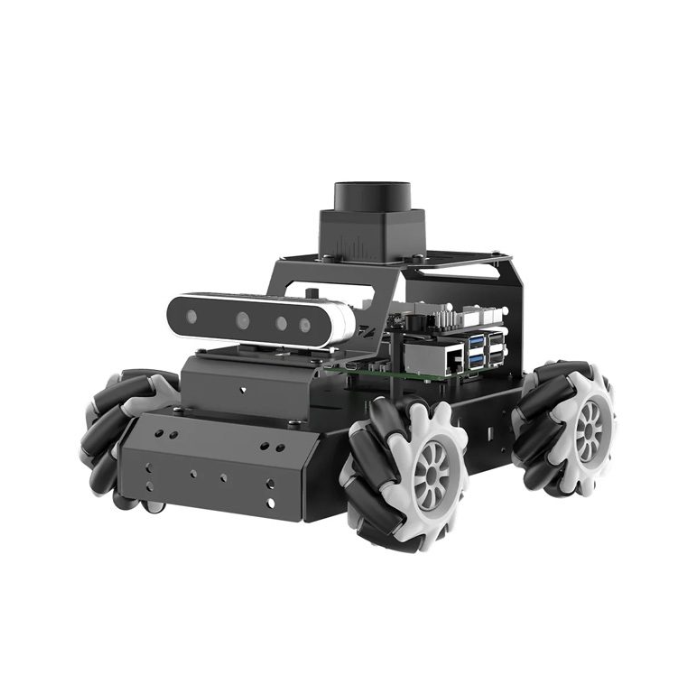
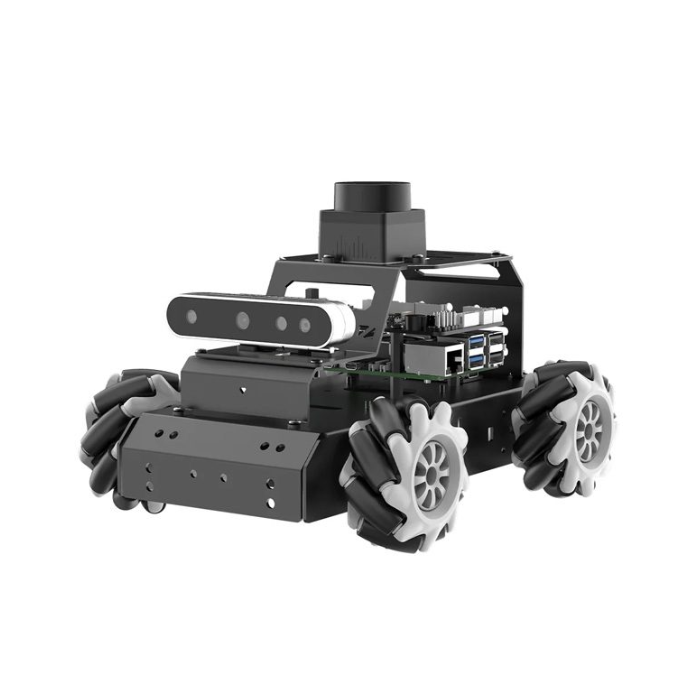
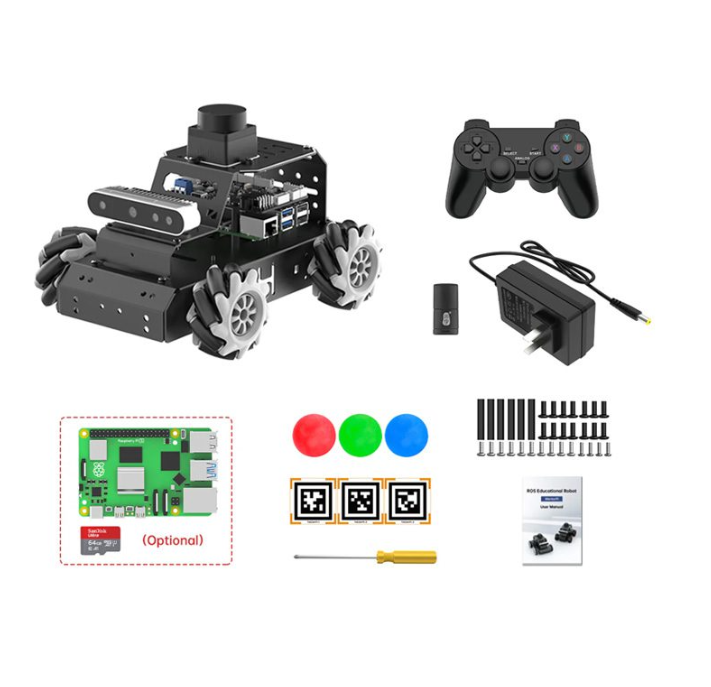
Hiwonder MentorPi M1 Ackerman Mecanum Monocular Camera Version Without Raspberry Pi 5
Introduction to the MentorPi M1 Robot
The MentorPi M1 Robot is a powerful AI robotics development platform designed for students, researchers, robotics engineers, and technology enthusiasts who want to explore artificial intelligence, computer vision, and autonomous robotics systems. Built with advanced engineering concepts, the MentorPi M1 Robot combines Ackerman steering technology, mecanum wheel omnidirectional movement, and AI vision capabilities into a single modular robotics platform.
This robotics kit is designed to provide a hands-on learning experience for individuals interested in robotics programming, artificial intelligence applications, and embedded system development. With its intelligent design and expandable architecture, the MentorPi M1 Robot enables users to experiment with real-world robotics concepts such as autonomous navigation, object detection, machine vision, and smart mobility systems.
The monocular camera version of the MentorPi M1 Robot allows developers to implement computer vision applications using image processing techniques. Although the Raspberry Pi 5 board is not included, the system is fully compatible with Raspberry Pi platforms, enabling users to build advanced AI-based robotics applications using Python, OpenCV, and other development frameworks.
Whether used in STEM education environments, robotics laboratories, or personal innovation projects, the MentorPi M1 Robot provides a professional development platform that bridges the gap between theoretical robotics knowledge and practical engineering experience.
Advanced Robotics Platform for AI Development
The MentorPi M1 Robot represents a new generation of robotics development kits designed for modern AI and robotics education. Unlike traditional robot kits that focus only on basic movement and simple programming tasks, this advanced platform allows users to explore sophisticated robotics systems used in real-world industries.
By working with the MentorPi M1 Robot, developers gain exposure to technologies commonly used in autonomous vehicles, robotic automation systems, and intelligent machines. The system combines multiple advanced robotics components such as motors, sensors, control boards, and vision systems to create a fully functional AI-powered robot.
Through hands-on experimentation, users can program the MentorPi M1 Robot to perform tasks such as line following, visual tracking, obstacle avoidance, and intelligent navigation. These capabilities make the robot an excellent tool for robotics competitions, engineering education, and advanced technology research.
The integration of AI vision technology further enhances the capabilities of the MentorPi M1 Robot, enabling developers to experiment with image recognition, machine learning algorithms, and computer vision systems.
Hybrid Motion System: Ackerman Steering and Mecanum Wheels
One of the most unique aspects of the MentorPi M1 Robot is its hybrid mobility design that combines Ackerman steering with mecanum wheel technology. This combination allows the robot to demonstrate different robotic motion systems within a single platform.
Ackerman Steering System
Ackerman steering is a widely used mechanism in real automobiles. In this system, the front wheels rotate at different angles during turns to maintain smooth and stable vehicle movement. By studying the Ackerman steering system in the MentorPi M1 Robot, students can learn how real-world vehicles manage turning dynamics and steering geometry.
The Ackerman mechanism helps improve steering precision and ensures efficient movement during curved paths. This feature makes the MentorPi M1 Robot an excellent educational tool for understanding automotive engineering principles.
Mecanum Wheel Movement
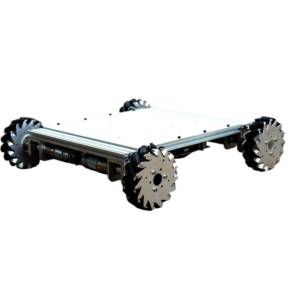
Mecanum wheels provide omnidirectional movement, allowing the MentorPi M1 Robot to move forward, backward, sideways, diagonally, and rotate in place. This advanced mobility system is widely used in robotics research and industrial automation systems.
Each mecanum wheel contains rollers positioned at a 45-degree angle, allowing the robot to change direction instantly without needing to rotate the entire chassis. By experimenting with mecanum wheel programming, developers can explore advanced motion control algorithms and robotics navigation techniques.
The hybrid motion system of the MentorPi M1 Robot makes it one of the most versatile robotics development platforms available for STEM education and AI experimentation.
Monocular Camera for Computer Vision Applications
The MentorPi M1 Robot includes a high-quality monocular camera module designed specifically for computer vision applications. This camera acts as the robot’s visual sensor, capturing images and video streams that can be processed using AI algorithms.
With the monocular camera, the MentorPi M1 Robot can perform various vision-based tasks such as:
-
Object recognition
-
Color detection
-
Line tracking
-
Motion detection
-
Facial recognition experiments
-
Traffic sign recognition
These computer vision applications help students and developers understand how robots perceive and interact with their environment.
By combining the camera system with AI programming tools like OpenCV, the MentorPi M1 Robot becomes a powerful platform for exploring image processing and machine learning concepts.
Modular Mechanical Structure
The MentorPi M1 Robot features a modular mechanical design that allows users to assemble, modify, and expand the system easily. This flexible structure encourages creativity and innovation by enabling developers to customize the robot according to their project requirements.
The robot chassis includes multiple mounting positions where additional modules and sensors can be installed. This allows developers to add components such as ultrasonic sensors, robotic arms, LiDAR modules, and wireless communication systems.
The modular architecture of the MentorPi M1 Robot ensures that it can evolve alongside the user’s learning journey. Beginners can start with simple projects and gradually integrate more complex technologies as their skills improve.
Programming and Software Development
The MentorPi M1 Robot supports multiple programming environments commonly used in robotics and artificial intelligence development.
Python Programming
Python is one of the most popular programming languages in robotics and AI development. The MentorPi M1 Robot allows users to write Python scripts to control robot movement, process camera images, and implement AI algorithms.
OpenCV Computer Vision Library
OpenCV is an open-source library widely used for image processing and computer vision. By using OpenCV with the MentorPi M1 Robot, developers can create advanced vision-based robotics applications.
Robot Operating System (ROS)
The MentorPi M1 Robot can also be integrated with ROS, a powerful framework used in professional robotics development. ROS allows developers to create complex robotics systems by combining different software modules.
These programming tools make the MentorPi M1 Robot suitable for both beginners and advanced robotics developers.
Educational Benefits of the MentorPi M1 Robot
The MentorPi M1 Robot is widely used in STEM education programs because it provides an interactive learning experience that combines engineering, programming, and artificial intelligence.
Students working with the MentorPi M1 Robot can develop important technical skills including:
-
Robotics system design
-
Programming and coding
-
Electronics integration
-
Computer vision development
-
AI algorithm implementation
-
Mechanical assembly
These skills are highly valuable in modern technology industries and prepare students for careers in robotics, automation, and artificial intelligence.
Applications of the MentorPi M1 Robot
The MentorPi M1 Robot can be used in a wide variety of robotics and AI development applications.
Robotics Education
Educational institutions use the MentorPi M1 Robot to teach robotics engineering and programming concepts through hands-on learning.
Autonomous Vehicle Research
The robot’s Ackerman steering system allows developers to experiment with self-driving vehicle technologies and navigation algorithms.
Computer Vision Projects
Developers can use the MentorPi M1 Robot to test image processing algorithms and AI vision systems.
Robotics Competitions
The platform is suitable for robotics competitions where students must design intelligent robots capable of completing complex tasks.
Expandable Hardware Ecosystem
The MentorPi M1 Robot includes multiple hardware expansion interfaces that allow developers to integrate additional sensors and modules.
These expansion capabilities make it possible to develop advanced robotics systems such as:
-
AI-powered surveillance robots
-
Smart delivery robots
-
Autonomous navigation robots
-
Interactive AI robots
By expanding the hardware ecosystem, the MentorPi M1 Robot becomes a versatile development platform capable of supporting complex robotics projects.
Build Quality and Engineering Design
The MentorPi M1 Robot is constructed using durable materials designed for long-term use in robotics development environments. The chassis structure provides stability and strength, ensuring reliable performance during movement and experimentation.
The mecanum wheels are engineered for precise omnidirectional motion, while the Ackerman steering mechanism ensures realistic vehicle dynamics. These high-quality components make the MentorPi M1 Robot suitable for professional robotics experimentation.
Why Choose LOFTY AGROTECH
When purchasing advanced robotics development kits like the MentorPi M1 Robot, selecting a reliable supplier is extremely important. LOFTY AGROTECH is a trusted provider of robotics, drone technology, and electronic development products.
Genuine Technology Products
LOFTY AGROTECH provides authentic robotics kits designed for education, research, and engineering innovation.
Wide Product Range
Customers can explore a wide variety of robotics platforms, drone components, and electronic modules from LOFTY AGROTECH.
Reliable Customer Support
The team at LOFTY AGROTECH offers technical assistance and product guidance to help customers select the right robotics solutions.
Ideal for STEM Education
Educational institutions trust LOFTY AGROTECH for high-quality STEM learning kits and robotics development tools.
Trusted Supplier
By purchasing from LADK BY LOFTY AGROTECH, customers can be confident that they are receiving reliable and high-performance robotics products.
To explore this product and learn more about the MentorPi M1 Robot, visit LADK BY LOFTY AGROTECH and CLICK HERE to view the product page.
Real-World Robotics Learning with the MentorPi M1 Robot
The MentorPi M1 Robot is more than just a robotics kit; it is a complete platform designed to simulate real-world robotic systems used in industries today. By assembling and programming the MentorPi M1 Robot, students and developers can experience how intelligent machines operate in modern technology environments.
Robotics is becoming a critical part of industries such as manufacturing, logistics, healthcare, agriculture, and autonomous transportation. Learning robotics through a practical platform like the MentorPi M1 Robot allows learners to understand these technologies from the ground up.
Users working with the MentorPi M1 Robot can explore how sensors gather environmental information, how control systems process data, and how motors execute precise movements. This real-world simulation environment makes the MentorPi M1 Robot a powerful educational tool for engineering students and robotics developers.
Because the MentorPi M1 Robot integrates mechanical engineering, electronics, and software programming into a single platform, it helps learners build multidisciplinary technical knowledge that is essential in modern engineering fields.
Advanced AI Experimentation Possibilities
Another major advantage of the MentorPi M1 Robot is its ability to support advanced artificial intelligence experimentation. The robot’s camera module and programmable control system allow developers to test AI algorithms that enable machines to interpret visual data and make decisions.
For example, the MentorPi M1 Robot can be programmed to recognize different colored objects and respond accordingly. Developers can design programs where the robot follows a specific color path, avoids obstacles of certain shapes, or tracks moving objects detected by the camera.
More advanced experiments with the MentorPi M1 Robot include implementing neural network models that allow the robot to classify images or recognize patterns. This type of AI development helps users understand how machine learning technologies are applied in robotics.
By exploring AI with the MentorPi M1 Robot, students gain valuable experience in areas such as image processing, data analysis, and algorithm design.
Robotics Innovation Platform for Creative Projects
The MentorPi M1 Robot provides an ideal environment for creative robotics innovation. Its flexible hardware architecture allows developers to
design unique robotics projects based on their imagination and technical interests.
For instance, users can transform the MentorPi M1 Robot into a smart delivery robot capable of navigating indoor environments and transporting small items. With the help of sensors and AI vision capabilities, the robot can detect obstacles and find the most efficient route to its destination.
Another creative application of the MentorPi M1 Robot is building a robotic security patrol system. In this setup, the robot can move through designated areas while using its camera to detect unusual activity or identify objects.
Educational robotics competitions also benefit from platforms like the MentorPi M1 Robot. Students can design intelligent robots capable of completing specific tasks such as maze solving, line tracking, or object sorting.
Because the MentorPi M1 Robot is designed for flexibility, it encourages innovation and creative problem-solving.
Hands-On Experience in Robotics Engineering
Learning robotics from textbooks alone can be challenging because many concepts require practical experimentation. The MentorPi M1 Robot addresses this challenge by providing a hands-on learning platform where users can physically build and program a robot.
Assembling the MentorPi M1 Robot helps learners understand the mechanical structure of robots, including wheel alignment, motor installation, and chassis stability. These mechanical components are essential in designing robots that move efficiently and perform tasks accurately.
Programming the MentorPi M1 Robot further enhances learning by allowing users to control the robot’s behavior. Developers can write code that determines how the robot moves, reacts to sensor inputs, and processes visual data.
Through this hands-on experience, users gain a deeper understanding of robotics systems and develop practical engineering skills.
Preparing Students for Future Technology Careers
The rapid advancement of automation and artificial intelligence has created a growing demand for professionals with robotics expertise. The MentorPi M1 Robot provides an excellent starting point for students who want to pursue careers in robotics, AI, or automation engineering.
Working with the MentorPi M1 Robot introduces learners to key technologies used in modern robotics industries. These include sensor integration, embedded systems programming, computer vision development, and robotic motion control.
Students who gain experience with the MentorPi M1 Robot develop valuable problem-solving skills that are highly sought after in engineering careers. They learn how to analyze technical challenges, design solutions, and test their ideas using a real robotic system.
By practicing with the MentorPi M1 Robot, learners build confidence in their technical abilities and gain the foundation needed for advanced robotics research or professional development.
Smart Robotics for Modern Technology Education
Modern education systems are increasingly incorporating robotics into their curriculum to prepare students for the future of technology. The MentorPi M1 Robot plays an important role in this transformation by providing an accessible yet powerful robotics learning platform.
Schools, colleges, and training centers can use the MentorPi M1 Robot to teach students about engineering concepts such as motion control, automation systems, and artificial intelligence. Instead of relying only on theoretical lessons, students can directly interact with a functioning robot.
The MentorPi M1 Robot also encourages teamwork and collaborative learning. Students working together on robotics projects can share ideas, solve technical challenges, and improve their engineering knowledge through group experimentation.
By integrating the MentorPi M1 Robot into STEM education programs, institutions can create engaging learning experiences that inspire students to explore science and technology.
Robotics Research and Development Opportunities
Beyond education, the MentorPi M1 Robot also serves as a valuable platform for robotics research and development. Engineers and researchers can use the robot to test new algorithms, sensor technologies, and automation systems.
For example, researchers studying autonomous navigation can program the MentorPi M1 Robot to map its surroundings and navigate through complex environments. By analyzing the robot’s performance, they can improve navigation algorithms and develop more efficient robotic systems.
Similarly, computer vision researchers can use the MentorPi M1 Robot to test image recognition techniques in real-world conditions. The robot’s camera provides continuous visual data that can be processed using machine learning models.
Because the MentorPi M1 Robot supports customization and expansion, it can adapt to a wide range of experimental robotics projects.
Enhancing Engineering Creativity with the MentorPi M1 Robot
Creativity is an important aspect of engineering innovation, and the MentorPi M1 Robot encourages users to explore new ideas and technologies. The flexibility of the robot’s design allows developers to experiment with different robotics concepts without limitations.
For instance, users can integrate wireless communication modules to control the MentorPi M1 Robot remotely through mobile applications. This type of project introduces concepts related to Internet of Things (IoT) systems and smart device communication.
Developers can also enhance the MentorPi M1 Robot with additional sensors that allow it to detect temperature, humidity, or environmental conditions. These capabilities enable the robot to perform environmental monitoring tasks.
The ability to expand and modify the MentorPi M1 Robot makes it a powerful platform for exploring engineering creativity and technological innovation.
Building Intelligent Autonomous Robots
Autonomous robots are becoming increasingly common in industries such as logistics, agriculture, and surveillance. The MentorPi M1 Robot provides a foundation for learning how these intelligent machines operate.
By programming the MentorPi M1 Robot, developers can create autonomous behaviors where the robot navigates environments without direct human control. Using sensors and computer vision systems, the robot can detect obstacles, identify paths, and make movement decisions.
Autonomous robotics projects using the MentorPi M1 Robot help learners understand how real-world robots perform tasks such as warehouse automation, autonomous delivery, and security patrol.
This practical experience prepares developers to design and build more advanced autonomous robotics systems in the future.
INTERNAL LINK:http://loftyagrotech.com
Reviews
There are no reviews yet.